RESEARCH
Fire Resilience Futures:
Workforces, Careers, and Livelihoods
in the Western U.S.

OVERVIEW
What does (re)creating good livelihood systems for fire resilient communities and landscapes look like?
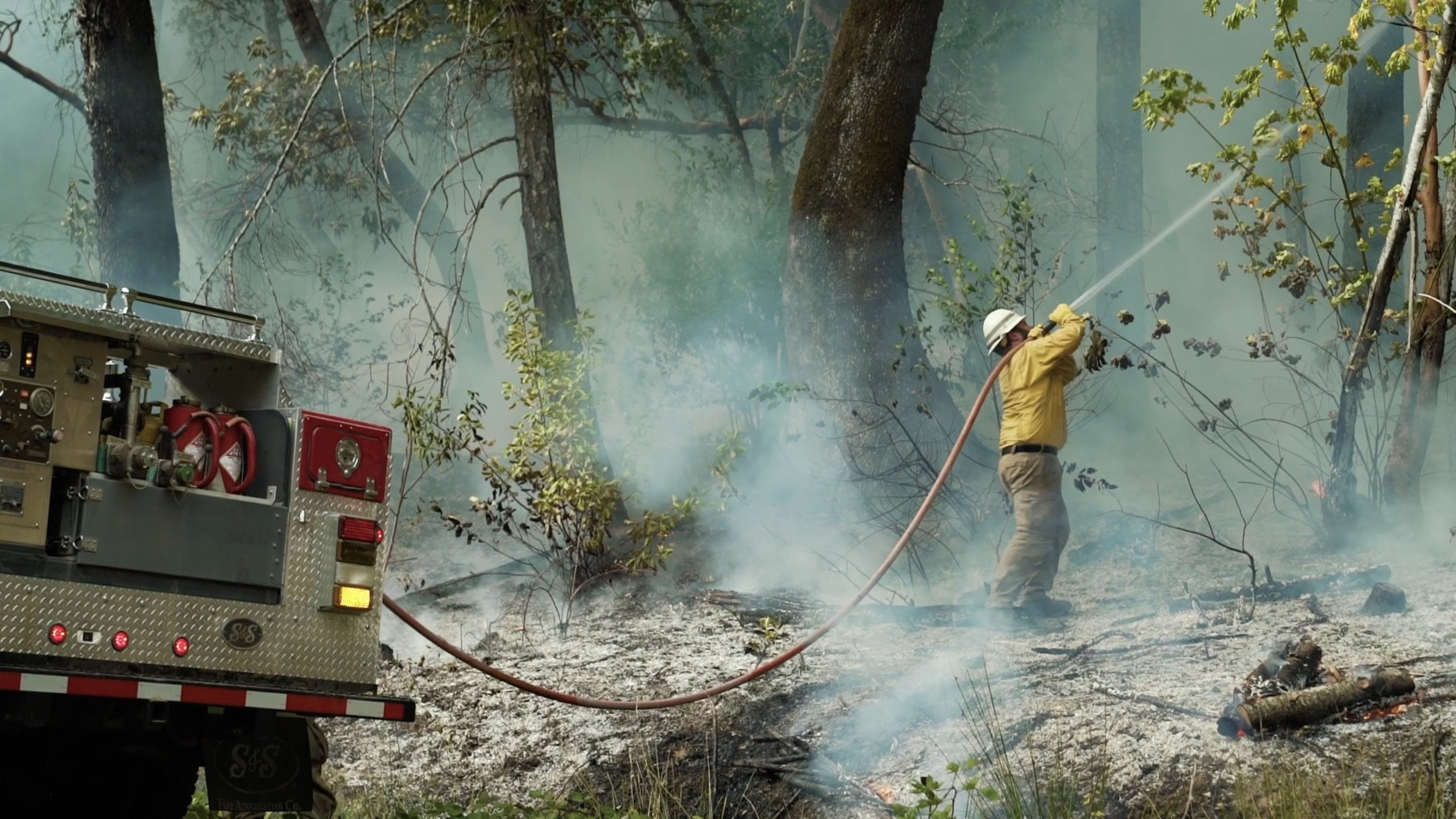
Fostering fire-resilient landscapes and communities requires ongoing work. This includes civic efforts like advocacy, education, and governance, as well as field work like stewarding lands and food systems (including prescribed and cultural burning), managing wildfires, and retrofitting the built environment. There are increasing calls for large-scale investments in workforce development to meet these needs.
Workforce discussions often leave out historical contexts, projected changes, and the perspectives of current and future workers and practitioners who are working on or toward fire resilience. Workforce development initiatives can perpetuate colonial and extractive labor practices that continue to harm workers, communities, and ecosystems. Collaborative research led by the Ecosystem Workforce Program and FireGeneration Collaborative, characterizes and reimagines the workforces supporting fire resilience in the western U.S.
OUR APPROACH
We draw from four methods:
Literature review of historical themes, existing knowledge, and active recommendations about fire resilience workforces and livelihoods.
Interviews and survey input with with experienced fire personnel and subject matter experts.
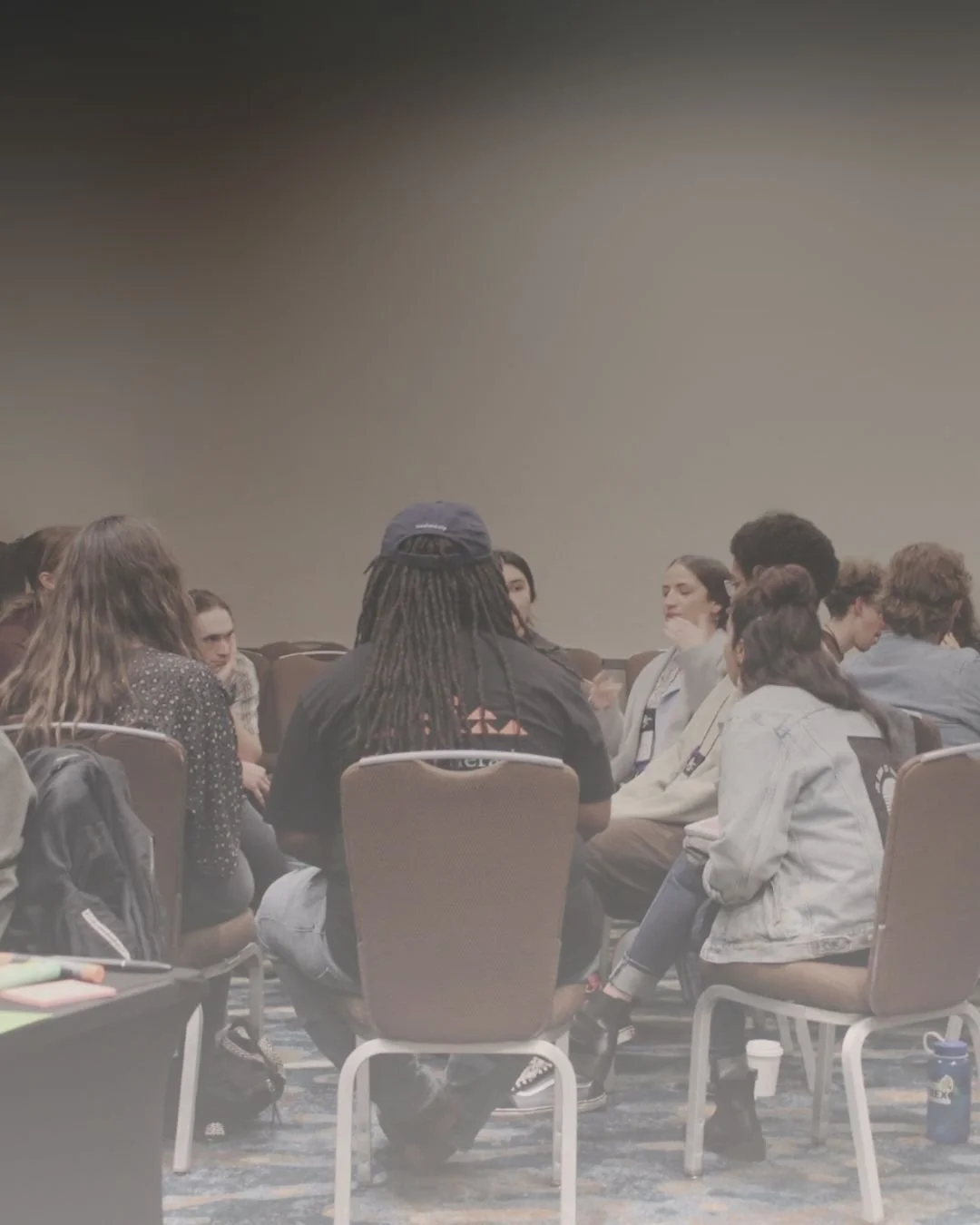
Collaborative listening circles with young people (ages 16-30) who are working in fire careers or interested in future involvement.
Surveys to understand young peoples' interest in involvement in fire-related efforts.
Photo: Dan ChamberlainQuote from Tarweed, Two-spirit fire practitioner | Listening Circle Session
“I guess to summarize a lot of what we've said would be, care more about the people. Care more about the workforce. If you want firefighters, care for them. If you want people to be able to implement all these different plans and practices that are necessary, you need to take care of them. It just goes all the way down to the base of making sure we have everything we need. Bringing in the healthcare questions, bringing on the mental health questions, the long-term health of our bodies, our lungs, chemicals, we're around them all the time.”
Quote from Fireweed - Listening Circle Session
“I don't know…. there should also be joy. Joy in tending, and joy with being in the land, and joy with the fire. And I… I think I get nervous in any job where I'm like, we're not gonna laugh?”
Quote from Currant | Listening Circle Session
“I want more exposure to places where the authority I'm deferring to isn't necessarily part of the suppression culture, I guess. I want to learn from Indigenous people... the knowledge exists, and it's existed, and so I would like to be exposed to spaces where I'm, receiving that. Because I feel like most of what I hear about is colonial fire practice, and I don't think that that's sustainable going forward. So I don't know what that looks like, that probably goes very deep into the government and funding and I know it's complicated, but that would be more encouraging to participate if I respected the knowledge and the authority that I was under